A Free Course from the Academy for Integrative Health
The Health Case for Mindfulness
Set aside the incense and the promises. This is a short, evidence-based look at what mindfulness does to the body and the brain, what the research actually supports, and what gets oversold. No belief required. Just the findings, and what to do with them.
Write your awesome label here.
Most people file mindfulness under things that aren't for them.
They picture robes, chanting, and a belief system they didn't sign up for. So they close the door before they ever look inside. That reaction is reasonable. Mindfulness has been sold with a lot of packaging that has nothing to do with whether it works.
Here is the part that gets left out. Mindfulness has been studied in hospitals and universities for over forty years, in controlled trials, measured against cortisol, blood pressure, brain scans, and pain scores. Some of what you've heard is overstated. Some of it holds up under real scrutiny. This course walks the line between the two, honestly, so you can decide for yourself.
The evidence, with the volume set to accurate.
A short, honest introduction. Free.
-
Six short modules covering what mindfulness is, where it comes from, and what it does to the body and mind.
-
A citation pack for each section, so every claim can be traced to its source and checked.
-
Ten guided practices to try, led by Bradley Hall. No commitment, no belief system. Just the practice itself.
-
A clear stance on the spiritual side: mindfulness is often tied to spirituality, but it doesn't have to be. The health case stands on its own.
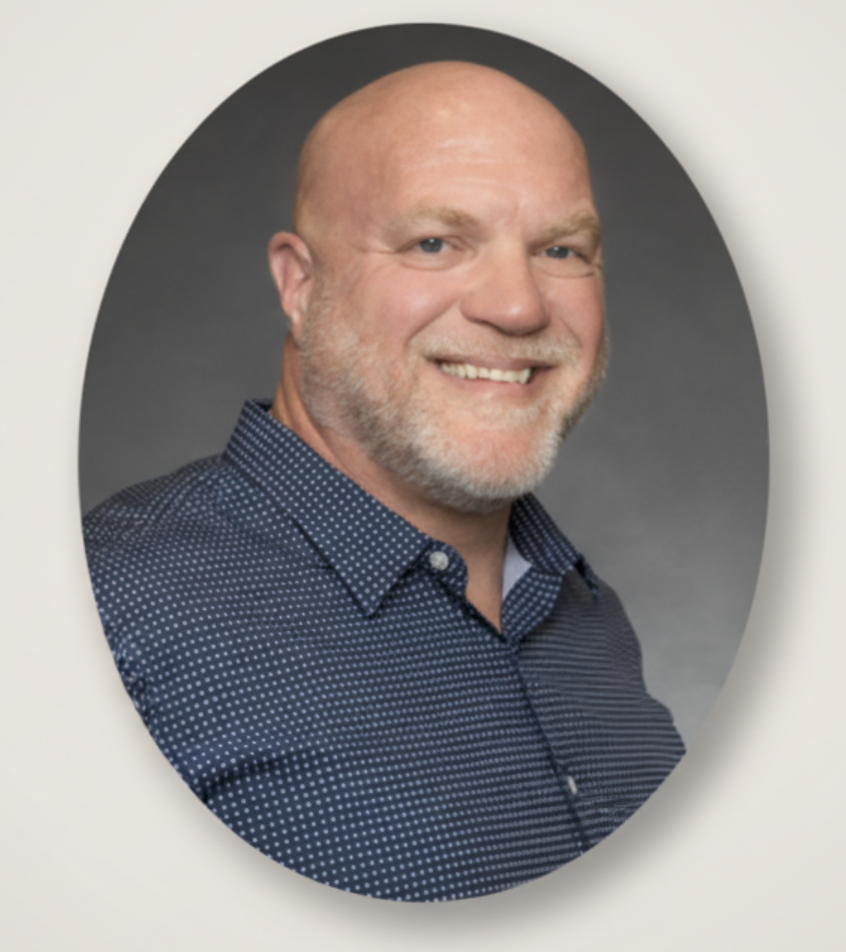
Created by
Bradley Hall
Bradley Hall holds a master's degree in depth psychology and is a certified trauma recovery coach and supervisor. He built the Academy for Integrative Health to teach this material the way he wishes it had been taught to him: practical, grounded, and honest about what the evidence does and doesn't say. He is a skeptic's guide to a subject skeptics usually avoid.
Take a look inside.
The course is free. Give it twenty minutes and decide for yourself whether the evidence holds.
Created with